
Radon Mitigation
Maine Water & Air Radon Mitigation Registration # ME02800C
What Is Radon?
Radon is a naturally occurring radioactive gas released as uranium breaks down in soil and rock beneath the ground. It has no smell, no color, and no taste — which means it can be present without you ever knowing it.
As radon gas moves upward through the ground, it can enter homes through cracks, joints, and small openings in foundations. Once inside, it can become trapped and build up to elevated levels.
Radon can also be present in well water. When water from a private well is used for activities like showering, laundry, or dishwashing, radon gas can be released into the air inside the home. In this way, a well can act as a direct pathway for radon from the ground into your living space.
Should I Be Concerned?
Yes — radon is a recognized health risk.
The United States Environmental Protection Agency (EPA) classifies radon as a known human carcinogen. Long-term exposure to elevated radon levels increases the risk of lung cancer.
According to public health authorities, radon is the second leading cause of lung cancer in the United States, behind smoking. For non-smokers, it is the leading cause.
Because radon exposure happens over time and without obvious warning signs, awareness and testing are key.
How Do I Know If I Have Radon?
Radon is present at low levels in outdoor air everywhere. What matters is the concentration level inside your home or in your well water.
The only reliable way to know your radon level is through testing:
- Air testing measures radon gas inside the home
- Water testing measures radon in private well systems
Radon testing is straightforward, relatively inexpensive, and can be completed quickly. Test results determine whether mitigation is recommended based on EPA guidelines.
What Can Be Done?
The good news: radon is a solvable problem.
Even homes with high radon levels can be reduced to safer concentrations using proven mitigation methods. Systems are designed based on how radon is entering the home and whether the source is air, water, or both.
A qualified radon professional will evaluate your home and recommend the most effective solution.
Radon Mitigation Methods
While it’s not possible to eliminate radon completely, most homes can be reduced to 2.0 pCi/L or lower. Because any radon exposure carries some risk, the goal is always to achieve the lowest level reasonably possible using current best practices.
Air Radon Mitigation
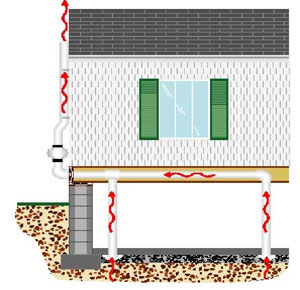
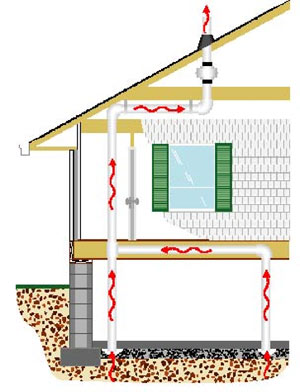
The most common and effective approach for air radon is sub-slab depressurization.
These systems:
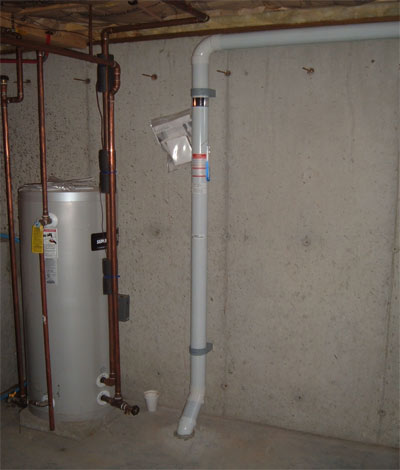
- Use vent piping and a continuously operating fan
- Draw radon gas from beneath the foundation before it enters the home
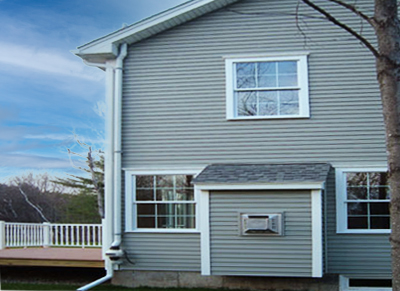
- Safely vent the gas outdoors, away from windows and living areas
Each system is custom-designed to fit the construction and layout of the home.
Water Radon Mitigation
For homes with radon in well water, aeration systems are the most effective treatment.
These point-of-entry systems:
- Treat water before it enters the home’s plumbing
- Mix water with air to release dissolved radon gas
- Vent the released gas safely to the outdoors
Water radon systems can often be combined with treatment for other water quality concerns, depending on your needs.
Professional Installation & Verification
Your licensed radon professional is responsible for:
- Proper system design and installation
- Compliance with applicable building and safety codes
- Explaining system operation, maintenance, and warranties
After installation, a post-mitigation test is performed to confirm the system is working as intended and radon levels have been effectively reduced.